- 19 December 2025
- Comment (0)

Exploring the Effects of Tariffs on Global Business Operations
Introduction to Tariffs and Their Role in Global Trade
Tariffs are a critical tool in international trade, serving as taxes or duties imposed by governments on imported goods. The primary objective of tariffs is to protect domestic industries from foreign competition by making imported goods more expensive. Though they can offer significant protections for local businesses, they often lead to increased costs for consumers and can spark trade disputes between nations.
Historical Context: How Tariffs Have Shaped International Commerce
Historically, tariffs have played a significant role in shaping the global trading landscape. From the Tariff Act of 1789 in the United States, designed to generate revenue for the fledgling government, to the infamous Smoot-Hawley Tariff of 1930, which contributed to global trade tensions and economic downturns during the Great Depression, tariffs have been a double-edged sword. They have been used to nurture burgeoning industries but also have unwittingly escalated into trade wars.
Understanding the Mechanics of Tariffs: Types and Applications
Tariffs can be broadly categorized into specific tariffs and ad valorem tariffs. Specific tariffs are fixed fees based on the quantity of goods, such as a tariff per ton of steel. In contrast, ad valorem tariffs are based on a percentage of the item's value. Governments may choose the type of tariff depending on economic strategies, product categories, and international trade agreements.
Economic Impact: Tariffs and Their Influence on Global Business Operations
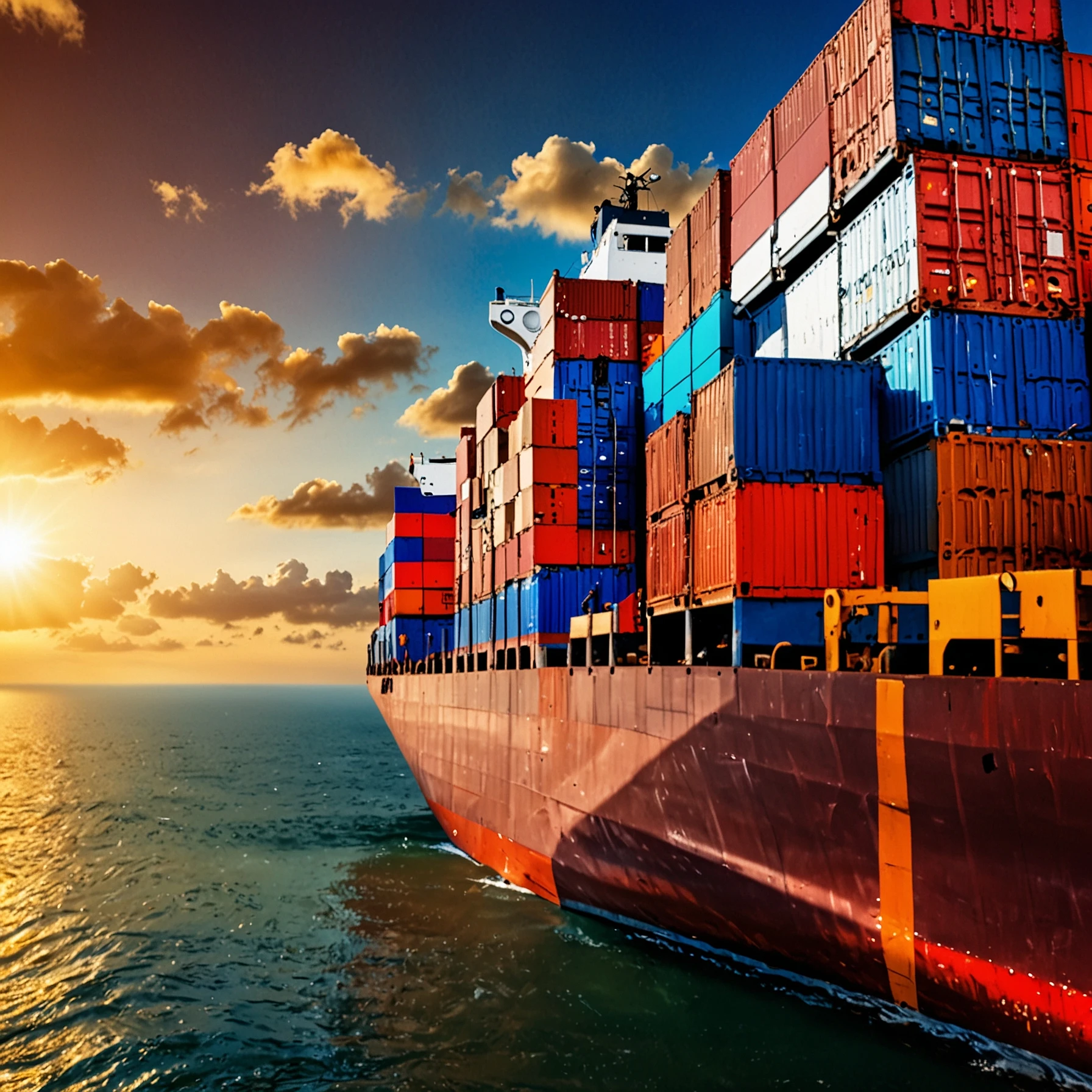
The introduction of tariffs often results in increased prices for imported goods, disrupting global supply chains and impacting business operations. Companies that rely heavily on imports might face higher production costs, forcing them to pass expenses onto consumers or seek alternative suppliers. Similarly, exporting firms may encounter retaliatory tariffs, reducing their competitiveness abroad.
Case Studies: Industries Most Affected by Tariffs
Certain industries, particularly those involved in metals, agriculture, and electronics, are more vulnerable to tariff impacts. For example, the imposition of U.S. tariffs on Chinese electronics led to increased costs for tech companies reliant on components manufactured in China. Similarly, tariffs on agricultural products have affected farmers, leading to volatile markets and requiring countries to seek new trade partnerships.
The Role of Tariffs in Shaping Trade Policies and International Relations
Tariffs are not just economic tools but also instruments of foreign policy. By adjusting tariffs, countries can negotiate trade agreements, exert geopolitical influence, or retaliate against unfavorable policies from other nations. They can serve as bargaining chips in multinational trade discussions or be employed to impose economic sanctions.
Tariffs and Supply Chain Dynamics: Challenges and Opportunities
The introduction or increase of tariffs can fundamentally alter supply chain dynamics. Companies may shift production facilities to other countries to avoid tariffs, fostering new industrial hubs and potentially boosting economies in developing regions. However, these shifts can also lead to supply disruptions and increased operational complexities as businesses navigate new regulatory environments.
Tariffs and Consumer Impact: Price Changes and Market Responses
Consumers often face the brunt of tariffs through higher prices for goods. This can lead to decreased demand, influencing market dynamics and forcing retailers to reconsider their pricing strategies. In some cases, consumers may pivot towards domestically produced alternatives, inadvertently providing a boost to local businesses.
The Future of Tariffs: Potential Trends and Evolutions in Global Trade
As globalization continues to evolve, the future role of tariffs in international trade remains a pertinent question. While protectionist policies may offer short-term gains for certain industries, the trend toward free trade agreements emphasizes reducing tariff barriers. Emerging discussions focus on non-tariff barriers, sustainability, and digital trade as potential new frontiers in trade policy.
Conclusion: Balancing Protectionism and Free Trade in a Global Economy
Finding equilibrium between protectionism and free trade continues to challenge policymakers worldwide. As countries aim to safeguard domestic interests while engaging in global commerce, tariffs remain a focal point of their strategies. A sustainable approach requires balancing these interests to foster economic growth while promoting fair and equitable trade practices worldwide.





Comments